
How to Clean a Kitchen in 30 Minutes: A Step-by-Step Speed Guide
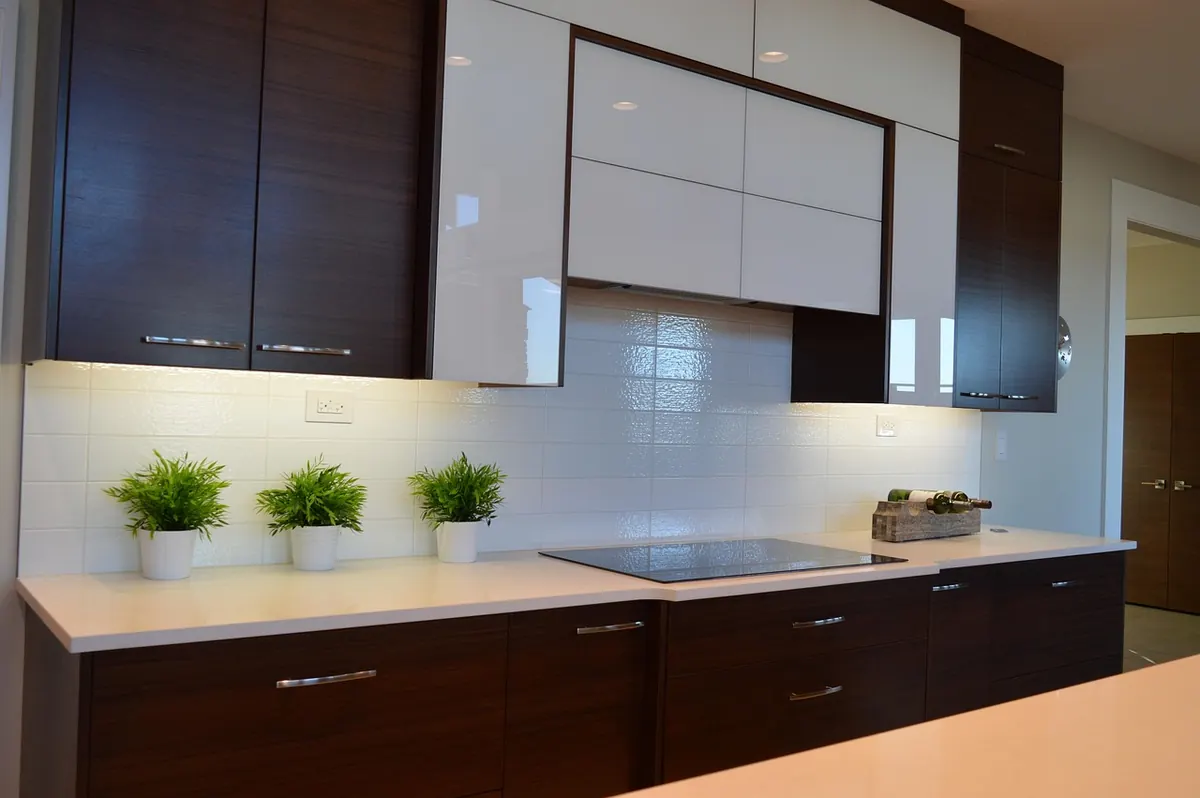
Thirty minutes won't get you a spotless kitchen, but it will get you a usable one—the version where you can set down a cutting board without moving a pile of dishes first. The trick isn't scrubbing faster. It's order. Most of us clean whatever catches the eye first, drift between counters, and end up wiping the same square foot three times. A fixed sequence solves that. Work top to bottom, save the floor for last, and let the sink do more of the work than you'd expect.
Set Up Before the Clock Starts
Give yourself sixty seconds of prep. It's not part of the thirty minutes, and skipping it costs you five.
- Empty the dish rack or the dishwasher so clean dishes have somewhere to land.
- Put a trash bag within arm's reach—a grocery bag on the floor beside you is fine.
- Gather four things: a microfiber cloth, a sponge, an all-purpose spray or a bowl of hot soapy water, and something thin and stiff for burnt-on bits (a plastic scraper or an old loyalty card).
- Plug the sink, run the hottest water you can comfortably stand, and add a squirt of dish soap.
A sink full of hot soapy water is the engine of this whole routine. Dishes soak while you work, grease loosens on its own, and you always have a wet sponge ready.
Minutes 0–6: Clear the Counters
Pick up everything that isn't bolted down. You're not organizing, you're relocating—so make three quick decisions per item and move on. Things that belong in a cabinet go in the cabinet, right then, not into a new pile. Things that are dirty go into the sink. Things that belong somewhere else in the house go into a single basket you'll carry out at the end.
Mail, receipts, and loose papers are the usual bottleneck. Don't read them. Stack them, set them aside, deal with them later. Same for the small appliances you use twice a year: the bread maker and the blender base can live in a cupboard for the next six months.
Work one section of counter at a time—left to right, or sink to fridge. A defined path keeps you from orbiting the room.
Minutes 6–14: Dishes and the Sink
Wash in an order that keeps the water clean as long as possible.
- Glassware and mugs first, since they show grease fastest.
- Plates, bowls, and cutlery.
- Serving dishes and plastic containers.
- Pots and pans last, when the water has already done its worst.
For a pan with burnt-on food, don't fight it. Add water and a drop of soap, set it on the stove on low for a few minutes, and come back—it will lift with almost no scrubbing. Drain the sink only when the last dish is out of it.
Now clean the sink itself. Sprinkle baking soda around the basin, scrub the sides and the rim where hands rest, and give the drain area attention—that's where the smell usually lives. Rinse, then dry the faucet and handles with a dry cloth. A shiny faucet does more for the room's overall impression than anything else you'll do in the next twenty minutes.
If You Have a Dishwasher
Run it before you start, if there's a load waiting, so unloading becomes part of your setup. Otherwise load as you go and hand-wash only what you need immediately. Don't spend your thirty minutes playing dishwasher Tetris.
Minutes 14–22: Stovetop and Counters
Spray the stovetop first and let it sit while you do the counters. That dwell time does the work for you, especially on grease that's baked onto the hood or the backsplash.
Wipe counters from the back edge toward you, pushing crumbs onto the floor—you'll deal with them in a few minutes anyway. Don't forget the spots that get skipped: under the coffee maker, the handle of the fridge, the light switch, the microwave door. Those small touchpoints are what make a kitchen feel clean rather than just tidy.
Then return to the stovetop. Lift the burner grates and wipe underneath. Use your scraper at a low angle for burnt rings. On glass or induction cooktops, follow the manufacturer's guidance and stick to non-abrasive pads—scouring powder can scratch the surface permanently.
One safety note worth repeating: never mix cleaning products. Bleach combined with ammonia or with acidic cleaners like vinegar can produce dangerous fumes. Use one product at a time and rinse between them.
Minutes 22–27: The Floor
Floors come last because everything you've done so far has been dropping crumbs on them. Sweep or vacuum the corners first, then pull debris toward the doorway rather than chasing it into the room.
For a quick reset, skip the bucket. A damp microfiber pad on a handle handles sticky spots and a light film of grease in one pass. If you do mop, keep it barely damp—standing water is hard on wood, laminate, and vinyl plank. Spot-clean dried spills with a wet cloth held in place for a few seconds before you scrub; letting it soften beats elbow grease every time.
Minutes 27–30: Reset and Stop
Carry the basket of stray items out of the kitchen. Take the trash with you. Wring out the sponge, rinse the cloth, and hang both where they can dry—a damp sponge sitting in the sink undoes the work you just did. Refill the dish soap, put out a clean towel, and wipe the counter one last time with a dry cloth.
When the timer goes, stop. Whatever remains is either tomorrow's job or someone else's belongings. Leaving one clear stretch of counter is the point of the whole exercise.
Habits That Make the Next Thirty Minutes Easier
Speed comes from maintenance, not from technique. Rinse or soak pans while you're still eating, so nothing hardens. Deal with the sink before bed—waking up to an empty basin changes the tone of the whole morning. Keep two or three extra cloths folded in a drawer so you're never hunting for one. And once a week, run a ten-minute version of this same sequence: counters, sink, stovetop, floor. Do that, and the full half-hour reset becomes a rare event instead of a weekly emergency.
Photo: ErikaWittlieb / Pixabay